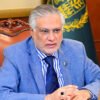
WEB DESK: During an all-party meeting, Indian Foreign Minister Subrahmanyam Jaishankar reportedly used unparliamentary and offensive language while addressing Pakistan.
Analysts say the remarks reflect New Delhi’s frustration at being excluded from ongoing mediation efforts between United States, Israel, and Iran, where Pakistan, Turkey, and Egypt have emerged as trusted diplomatic intermediaries.
Jaishankar’s use of harsh, non-diplomatic language has been criticized as reflecting a reactive and insecure stance by India, which faces growing criticism for internal social and political issues.
Experts note that his statements were intended to deflect attention from India’s lack of influence in the Iran conflict, portraying Pakistan negatively instead of engaging in constructive diplomacy.
The statements are being viewed as more performative for social media and domestic audiences rather than a reflection of serious foreign policy. India’s role in the current Middle East crisis is minimal, while Pakistan has positioned itself as a credible mediator.
India’s exclusion from the trilateral talks has reportedly caused unease in New Delhi, highlighting the country’s declining regional influence.
Jaishankar’s remarks at a high-level diplomatic forum expose India’s frustration and what some analysts describe as a “moral and strategic vacuum” in its foreign policy approach.
Pakistan’s active mediation, particularly in coordination with regional powers, has put India under pressure, highlighting New Delhi’s inability to participate meaningfully in resolving the Iran crisis.
Observers point out that weaker states often resort to aggressive rhetoric when sidelined in global diplomacy. Jaishankar’s statements are seen as a defensive reaction to India’s shrinking international role.
Pakistan has consistently maintained a credible track record in mediation and conflict resolution, including facilitating U.S.-China communications, supporting Gulf stability, balancing Saudi-Iran relations, aiding in Iraq, and resolving 2025 Indo-Pak tensions.
In contrast, India’s claims of influencing global crises, such as the Russia-Ukraine conflict or regional peace processes, have largely been ineffective or publicly ridiculed. Historical precedents, including India’s actions in Bangladesh in 1971, have drawn long-term criticism.
Analysts argue that true diplomatic influence stems from trust and credibility, not rhetoric or coercion. Pakistan’s constructive engagement in the Middle East and global mediation is recognized internationally, including by leaders from Malaysia, Europe, the U.S., and the Gulf.
Jaishankar’s statements are widely interpreted as a reflection of India’s diplomatic setbacks, while Pakistan continues to solidify its role as a trusted and effective actor in regional and international diplomacy.