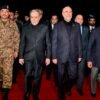
ISLAMABAD: Crucial negotiations between the United States and Iran have commenced in Islamabad, with a broad and contentious set of issues under discussion as both sides attempt to turn a fragile ceasefire into a more lasting arrangement.
At the core of the talks lies Iran’s nuclear programme, which remains the most sensitive and divisive issue. Washington is seeking firm assurances that Tehran will not pursue nuclear weapons, pushing for strict caps on uranium enrichment and enhanced oversight by the International Atomic Energy Agency. Iran, however, insists on its right to maintain a peaceful nuclear programme, including enrichment, framing it as a matter of sovereignty.
Sanctions relief is another major sticking point. Tehran is calling for the immediate removal of all US-led and international sanctions, along with access to frozen assets held overseas. In contrast, the US is advocating a gradual rollback of sanctions, tied to verifiable compliance by Iran on nuclear and security commitments.
Tensions are also evident over control of the Strait of Hormuz, a critical artery for global oil shipments. Iran is seeking recognition of its regulatory authority over the passage, while Washington insists on unrestricted maritime access to ensure energy security worldwide.
Regional dynamics further complicate the negotiations. The US is pressing Iran to end its support for allied armed groups across the Middle East, whereas Tehran is demanding a halt to military actions against those groups and broader de-escalation in regional conflicts. Iran has also called for a withdrawal of US forces from the region and formal non-aggression guarantees—demands Washington has not signaled readiness to accept.
Another flashpoint is Iran’s ballistic missile programme. The US wants limits on missile development, but Iran views such proposals as an infringement on its defensive capabilities.
Additionally, Tehran has raised demands for compensation over damages from recent hostilities, while the US is expected to seek accountability for attacks on its interests and allies.
With a two-week ceasefire window ticking, officials suggest that any progress is likely to come gradually, beginning with confidence-building measures. While an immediate breakthrough appears unlikely, continued dialogue could pave the way for an extension of the ceasefire and further rounds of negotiations.