WEB DESK: Bangladeshis headed to polling stations on Thursday for a pivotal election, a momentous event marking a significant transition for the South Asian nation after the removal of longtime leader Sheikh Hasina in 2024. Her ousting followed a youth-led revolution spearheaded by Gen Z, which dramatically reshaped the country’s political landscape.
Experts have labeled the election essential for ensuring stable governance in a nation of 175 million people. The months preceding this vote were marked by intense anti-Hasina protests that triggered widespread unrest and severely impacted key sectors like the garment industry, a crucial pillar of Bangladesh’s economy and one of the largest global exporters after China.
The election also bears global significance as the first in history following a Gen Z-fueled uprising, with Nepal preparing for similar elections next month, inspired by a comparable movement.
Two major coalitions are competing for control: the Bangladesh Nationalist Party (BNP) and Jamaat-e-Islami, former allies now contesting as rivals. Early polls indicate an edge for the BNP.
The Awami League, previously Hasina’s dominant political faction, has been excluded from these elections, with the former prime minister remaining in self-imposed exile in India.
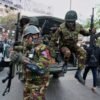
To guarantee smooth proceedings on election day, more than 958,000 security personnel from police and military forces were deployed throughout the country. Armed guards secured most polling centers for additional safety as voters made their way to cast ballots.
Polling is set to conclude at 4:30 p.m. local time (1030 GMT), with counting beginning immediately afterward. Early trends should emerge around midnight, while official results are expected by Friday morning.
The race for prime minister involves two prominent candidates: BNP leader Tarique Rahman and Jamaat’s Shafiqur Rahman—unrelated despite their shared last name.