TEHRAN: Tensions in the Middle East escalated further as Iran fired multiple waves of missiles toward Israel, according to Israeli military officials. Air raid sirens sounded across several regions, including Tel Aviv, where explosions from intercepted missiles were reported. Falling debris from one interception caused damage to homes in northern Israel, though no casualties were confirmed.
The strikes came shortly after Donald Trump announced he would delay a planned U.S. attack on Iran’s power infrastructure. He cited what he described as “constructive and productive” discussions with Iranian representatives as the reason for the pause.
However, Tehran quickly dismissed these claims. Iran’s parliament speaker, Mohammad Baqer Qalibaf, denied that any negotiations had taken place, labeling Trump’s statements as “fake news” intended to influence global markets and shift attention from ongoing challenges faced by the U.S. and Israel.
Meanwhile, Iran’s Islamic Revolutionary Guard Corps (IRGC) declared that it had initiated further attacks targeting U.S. interests in the region, describing Washington’s messaging as psychological warfare with no real impact on Iran’s stance.
Markets initially reacted positively to Trump’s announcement, with oil prices dropping sharply and stock markets rebounding. However, the optimism faded quickly as conflicting narratives from Washington and Tehran created uncertainty.
Oil prices climbed again, reflecting fears of prolonged instability, particularly around the strategic Strait of Hormuz a critical route for a significant share of global energy supplies.
Trump maintained that high-level discussions were underway, involving his envoy Steve Witkoff and advisor Jared Kushner. He claimed that both sides had reached “major points of agreement,” though no independent confirmation has supported this assertion.
Diplomatic sources suggested that while direct talks may not have occurred, countries such as Egypt, Pakistan, and several Gulf states are acting as intermediaries. Reports indicate that potential negotiations could take place in Islamabad in the coming days.
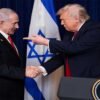
Israeli Prime Minister Benjamin Netanyahu confirmed ongoing coordination with Trump, stating that Israel would continue its military operations while remaining open to a possible agreement that safeguards its national interests.
At the same time, Iran’s Foreign Ministry signaled a willingness to explore de-escalation efforts, noting continued consultations with regional partners, including Oman.
The situation remains highly volatile, with the ongoing conflict reported to have begun in late February already resulting in thousands of casualties and posing a serious threat to global energy stability.