TEHRAN: Iran has issued warnings targeting hotels housing American military personnel across the Middle East amid ongoing hostilities. The Iranian military spokesperson,
Abolfazl Shekarchi, stated that any hotel accommodating U.S. forces effectively becomes a legitimate target for retaliation. “When Americans enter a hotel, it becomes an American target from our perspective,” he declared in a televised address, emphasizing Iran’s intent to respond to any aggression.
Since the February 28 US-Israeli strikes that killed Iran’s top military leader, Ayatollah Ali Khamenei, hostilities have intensified, igniting a broader regional conflict. Iran responded swiftly with missile and drone attacks on Israeli and American interests. The Iranian Foreign Minister, Abbas Araghchi, accused US forces of using Gulf Cooperation Council countries as shields and called on regional hotels to refuse US military bookings. Iran has also identified US military locations in Syria, Lebanon, and Djibouti as targets.
Meanwhile, the United States is considering deploying as many as 10,000 additional troops to the Middle East, according to reports. This potential troop surge aims to bolster US military presence and prepare for possible ground operations against Iran. The move comes amid speculation that Washington might be planning an invasion, although President Donald Trump has publicly denied intentions of direct combat, suggesting that Tehran is engaging in peace negotiations.
Iran has warned that any invasion would provoke countermeasures, including activating Yemeni Houthi rebels to attack shipping in the Red Sea, potentially opening a new front in the conflict. Despite US assurances of ongoing peace talks, tensions remain high.
In a significant escalation, Israel launched a broad wave of strikes targeting Iranian infrastructure inside Tehran. Early on Friday, Israeli military sources reported hitting missile production sites, storage facilities, and military command centers across the Iranian capital. Israel also claimed to have eliminated several senior Iranian military officers, including the Revolutionary Guards’ naval commander.
The conflict’s ripple effects extend beyond Iran and Israel. Kuwait’s primary commercial port, Shuwaikh, was damaged in a drone attack. Iran’s cultural heritage has also suffered, with over 120 museums and historic sites sustaining damage from US and Israeli strikes, including UNESCO-listed Golestan Palace and Saadabad Palace.
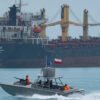
Iran’s Revolutionary Guards announced they had turned back three ships attempting to transit the Strait of Hormuz, accusing US ships of trying to pass through under false pretenses. The Strait’s closure further threatens global oil supplies. The UN Security Council is convening an emergency closed-door session at Russia’s request to address the ongoing strikes on Iran’s civilian infrastructure, including healthcare and educational facilities.
In the broader regional landscape, Israeli forces targeted Hezbollah positions in Beirut’s southern suburbs, while Saudi Arabia intercepted and destroyed four drones over its eastern territory. US Secretary of State Marco Rubio arrived in France to participate in G7 talks, emphasizing the importance of reopening the Strait of Hormuz for global stability.
Iran’s military continued its attacks, claiming missile and drone strikes targeting US military bases in Bahrain and other Gulf facilities. Meanwhile, President Trump announced a delay in planned strikes on Iranian energy infrastructure, citing ongoing negotiations and optimistic developments in diplomacy.
Amid these tensions, Japan announced plans to temporarily lift restrictions on coal-fired power plants to address energy shortages caused by the Middle East conflict, signaling a global ripple effect stemming from the regional upheaval.