ISLAMABAD: Authorities have ramped up security across Islamabad as the country prepares to host high-level talks between the United States and Iran aimed at easing tensions in the Middle East.
Interior Minister Mohsin Naqvi met US Ambassador Natalie Baker on Thursday, where both sides reviewed the regional situation and finalized arrangements for the upcoming negotiations set to begin Friday.
Pakistan is hosting the delegations following a temporary ceasefire it helped broker between Washington and Tehran. The country has recently played a key diplomatic role, acting as a conduit for communication between the two sides.
The White House has confirmed that a US delegation led by Vice President JD Vance will participate in the talks, accompanied by envoy Steve Witkoff and adviser Jared Kushner. According to Press Secretary Karoline Leavitt, the first round of dialogue is scheduled for this week.
During the meeting, Naqvi assured the US envoy that comprehensive measures have been put in place to ensure top-level security for all visiting officials, describing the arrangements as “foolproof.”
Security and logistical planning were also key points of discussion, with multiple foreign delegations expected to arrive in the federal capital.
Meanwhile, strict traffic controls have been enforced across the city. Major routes, including parts of the Islamabad Expressway, are facing temporary closures and diversions due to the movement of official convoys.
The Islamabad Traffic Police has implemented a special traffic management plan, including a ban on heavy vehicles entering the city during the high-profile visits. Commuters have been advised to use alternative routes such as the Taxila Motorway, Chakri, and Rawat corridors to avoid disruptions.
Additional diversions have been introduced on key arteries like Ninth Avenue, while travelers from areas including Bhara Kahu and Rawalpindi have been guided to use alternate roads such as Korang Road and Lehtrar Road.
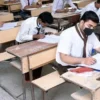
Authorities have also postponed examinations at several government institutions located near the Red Zone, including centers in G-6/4 and G-5 sectors, due to security concerns.
Officials urged residents to plan their travel in advance, allow extra commuting time, and cooperate with law enforcement personnel deployed across the city to ensure smooth movement during the diplomatic engagements.