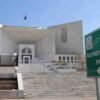
DUBAI/WASHINGTON: U.S. President Donald Trump and Pakistani officials said on Saturday that an initial agreement aimed at ending the Middle East conflict could be signed on Sunday. However, Iran indicated that a formal signing is unlikely to happen that quickly.
Pakistani Prime Minister Shehbaz Sharif stated that both sides had reached a preliminary framework for peace and that preparations were underway for an electronic signing ceremony on Sunday. He added that technical discussions would follow next week.
Trump also announced on social media that a deal with Iran was expected to be finalized on Sunday. According to him, the Strait of Hormuz a crucial route for global oil shipments that Iran has effectively blocked would reopen immediately once the agreement takes effect.
Iranian Foreign Ministry spokesperson Esmaeil Baghaei urged caution regarding reports about the signing schedule. Speaking to state media, he said the agreement would “not be signed tomorrow,” although a breakthrough in the coming days remained possible. He noted that uncertainty on the other side of the negotiations made it difficult to predict an exact timeline.
A U.S. official later declined to confirm when the signing would occur but described the proposed arrangement as a “strong” and “important” agreement.
This is not the first time the parties have appeared close to reaching a settlement in the conflict that began on February 28 following joint U.S.-Israeli strikes on Iran. Nevertheless, Sharif wrote on X that the parties are now “closer to a peace deal than ever before.”
The war has pushed energy prices higher worldwide and resulted in thousands of deaths, mainly in Iran and Lebanon, where hostilities involving Israel and the Iran-backed Hezbollah movement have intensified.
Key Elements of the Proposed Agreement
Iranian Foreign Minister Abbas Araqchi said on Friday that although adjustments to the draft remain possible, the tentative deal demonstrates that Iran has emerged from the conflict in a stronger position.
Shortly after his comments, U.S. forces intercepted several Iranian attack drones reportedly heading toward the Strait of Hormuz, according to a source familiar with the incident. The source said the drones posed a potential threat to commercial shipping. U.S. Central Command later confirmed the operation and stated that the waterway remained open.
For months, Iran has effectively restricted traffic through the strait, while U.S. naval actions have limited Iran’s oil exports.
Sources involved in the negotiations told Reuters that the proposed memorandum of understanding includes reopening the Strait of Hormuz and ending the U.S. naval blockade. Discussions on Iran’s nuclear program the issue Trump cited as the reason for launching military action — would take place in a later phase.
A U.S. official explained that Iran would be required to reopen the strait, potentially without imposing transit fees, while Washington would simultaneously lift its blockade measures. The official added that the next stage would involve clearing mines from the waterway, a process in which G7 nations could assist.
Frozen Assets and Sanctions Relief
According to draft terms described by several sources, the United States would begin releasing billions of dollars in frozen Iranian funds and ease sanctions affecting Iranian oil exports. In exchange, Iran would fully reopen the Strait of Hormuz, restoring the flow of international maritime trade through one of the world’s most important energy corridors.