WEB DESK: Iran has reportedly presented a counteroffer to the United States regarding its stockpile of enriched uranium, according to sources cited by The Wall Street Journal. Tehran proposed diluting part of its highly enriched uranium reserves while transferring the remaining portion to a third country under specific guarantees.
The report says Iran demanded assurances that any uranium sent abroad would be returned if negotiations collapse or if Washington later withdraws from the agreement. The response was reportedly delivered through mediators as indirect discussions between the two sides continue.
Iran’s state broadcaster, IRIB, also indicated that Tehran’s proposal goes beyond nuclear matters, linking any broader agreement to ending hostilities across the region, particularly in Lebanon, where clashes involving Israel and the Iran-backed Hezbollah movement continue. The proposal also reportedly stressed the importance of securing maritime routes.
Meanwhile, US President Donald Trump sharply rejected Iran’s terms, describing them as “totally unacceptable” in a post on Truth Social. His remarks signaled growing tensions and raised concerns that recent diplomatic progress could unravel.
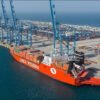
The dispute comes amid heightened instability around the Strait of Hormuz, one of the world’s most critical oil transit routes. Iran previously imposed restrictions in the strait during the conflict, contributing to spikes in global oil prices and renewed fears over energy security. Tehran has since introduced a toll system for vessels using the waterway, a move strongly opposed by Washington.
At the same time, the US Navy has increased pressure around Iranian ports, reportedly diverting or stopping some ships traveling to and from the country. In response to escalating risks to global trade, Britain and France are working on plans for an international maritime security coalition aimed at protecting shipping traffic after any ceasefire agreement.
However, Iranian officials warned that any foreign military deployment in the Strait of Hormuz would face an immediate response. Deputy Foreign Minister Kazem Gharibabadi insisted that only Iran should be responsible for maintaining security in the strategic waterway.
French President Emmanuel Macron later clarified that Paris was not considering a combat naval deployment, saying France instead favored a security arrangement coordinated with Iran.