WEB DESK: A recent opinion piece in The National Interest paints Pakistan as a country undergoing a significant transformation in its international role.
Rather than remaining confined to South Asian affairs, the article argues that Pakistan is increasingly influencing developments in the Middle East, particularly during moments of geopolitical strain.
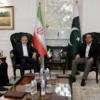
The op-ed points to Pakistan’s growing involvement in crisis diplomacy, especially its reported role in helping reduce tensions between the United States and Iran. It highlights the Islamabad talks held on April 12–13 as a key example, where senior representatives from both sides reportedly engaged directly. This is presented as evidence of Pakistan’s emerging ability to bring adversaries to the negotiating table.
A central theme in the article is the prominence of Pakistan’s military leadership in these efforts. It describes the country’s military establishment as organized, discreet, and effective in handling delicate diplomatic engagements particularly in scenarios where traditional diplomatic avenues have proven less effective.
The piece also emphasizes Pakistan’s widening network of strategic and defense relationships across the Middle East. Its ties with countries such as China, Saudi Arabia, Qatar, United Arab Emirates, Egypt, and Jordan are cited as strengthening its position as a credible regional actor. In particular, the Pakistan–Saudi mutual defense agreement signed in September 2025 is portrayed as a significant step in deepening security cooperation.
Beyond mediation, the article suggests Pakistan is contributing to broader regional stability, including support for ceasefire efforts in Gaza and potential participation in international peacekeeping or stabilization missions.
In conclusion, the op-ed argues that Pakistan is filling a gap left by the waning influence of traditional mediators and the limited effectiveness of institutions like the United Nations. It presents Pakistan especially its military leadership as a pragmatic and capable force navigating complex regional challenges, reflecting a notable shift in its global standing.