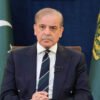
ISLAMABAD: Pakistan celebrates Eid al-Adha with widespread religious devotion, family gatherings, and animal sacrifices nationwide. The festival marks a time of prayer, sacrifice, and social responsibility, with the occasion also boosting the country’s economy by billions of rupees. Leaders including President Zardari, Prime Minister Shehbaz Sharif, and Interior Minister Mohsin Naqvi have called for national unity during these festivities.
The three-day celebration commenced with special Eid prayers in mosques, open grounds, and public spaces across Pakistan. Worshippers congregated in major cities such as Karachi, Lahore, Peshawar, and Islamabad, praying for unity, peace, and the prosperity of Pakistan, as well as for the well-being of people in conflict zones like Iran, Palestine, and Jammu and Kashmir.
Notable figures, including politicians, diplomats, and officials, joined the congregations. Religious sermons focused on Prophet Ibrahim’s (AS) sacrifice and emphasized values of obedience, faith, and altruism. Following prayers, families participated in animal sacrifice rituals, distributing meat among loved ones and those in need.
Security measures were heightened across the country to ensure safe celebrations, with special arrangements for waste disposal, especially in cities like Lahore, Karachi, and Islamabad, to manage the surge in waste from animal remains.
Political Leaders Join Eid Prayers Across Pakistan
Top political leaders observed Eid prayers with the public. President Asif Ali Zardari prayed in Nawabshah, while Prime Minister Shehbaz Sharif attended prayers at his residence in Lahore. Other leaders, including Yousaf Raza Gilani, Rana Sanaullah, and provincial governors, participated in religious observances across different regions, demonstrating unity and devotion.
Economic Significance and Challenges
Eid al-Adha is also a major economic event for Pakistan. The three-day festival stimulates activities worth hundreds of billions of rupees, benefiting livestock traders, farmers, transporters, butchers, and leather industry workers. It is estimated that around 7.4 million animals, such as cattle, goats, sheep, and camels, are sacrificed nationwide, with total spending reaching approximately Rs641 billion in 2025.
However, inflation and rising livestock prices have made participation challenging for many, especially lower-income families. Increased fuel costs and economic pressures have driven up the prices of sacrificial animals, limiting access for some households.
Television and Community Initiatives
Special Eid programming, including entertainment shows and dramas, has been broadcast across Pakistan, providing families with festive entertainment during the holiday. Additionally, prison authorities in Punjab arranged special meals for inmates, ensuring they could partake in the celebrations with dignity and respect.